
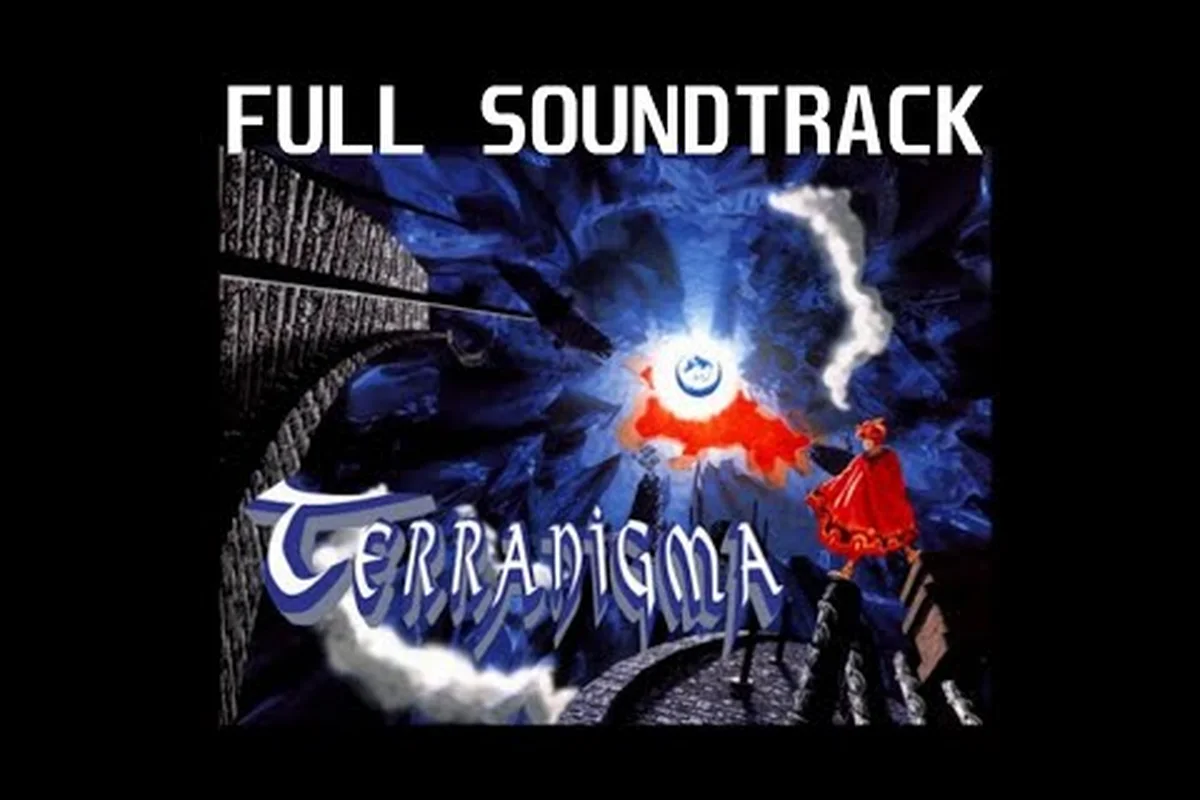
Few action RPGs from the 16-bit era command the same audiovisual reverence as Terranigma, and the credit for its lasting emotional weight belongs largely to the Terranigma music composer team. The 1995 Quintet title shipped with a score that blended ambient texture, driving percussion, and melancholic melody in ways that still feel contemporary today. Understanding who wrote this music, how it was produced, and where to hear it in 2026 matters because the upcoming 2027 re-release will introduce the soundtrack to an entirely new audience. Get the full breakdown of the composers, the standout tracks, and the vinyl situation below.
The Core Terranigma Music Composer Identity
The primary Terranigma music composer is Masanori Hikichi, a name that deserves far more recognition than it typically receives in retro gaming discussions. Hikichi was part of the in-house sound team at Quintet, the development studio responsible for Terranigma alongside its spiritual predecessors Soul Blazer and Illusion of Gaia. What separates Hikichi's work on Terranigma from the earlier entries is the scale of the arrangement: the game spans two overlapping worlds, multiple resurrection arcs, and a narrative that shifts from pastoral wonder to existential tragedy, and the score follows every tonal shift without losing its identity.
The composition process for Terranigma relied on the Super Nintendo's SPC700 audio chip, which allowed for sample-based playback rather than pure FM synthesis. This technical foundation gave Hikichi the ability to layer organic instrument samples — pianos, strings, brass, and choir pads — over rhythmic beds that could shift in tempo and intensity. According to community documentation of the original 1995 development materials, the soundtrack was written concurrently with the game's scenario planning rather than added after the fact, which explains why musical motifs align so precisely with narrative beats.
The results are immediately audible in the opening hours. The Crysta village theme introduces a gentle, almost lullaby-like progression that later gets deconstructed and darkened when Ark returns to find his hometown changed. Hikichi's gift for thematic recurrence means that players who pay attention to the music understand story beats before the dialogue confirms them. This approach to scoring — treating the soundtrack as an active narrative participant rather than background wallpaper — is what makes Terranigma feel like a unified artistic statement.
Masanori Hikichi's Musical Background
Before joining Quintet, Masanori Hikichi worked within the Japanese game audio scene during the early 1990s, a period when composers were transitioning from chip-generated sounds to sampled audio. While detailed biographical records are sparse compared to contemporaries like Nobuo Uematsu or Yasunori Mitsuda, community collectors and Japanese game music archives indicate that Hikichi contributed to multiple Quintet projects before taking the lead on Terranigma. His compositional voice favors modal melodies and unusual time signatures, giving Terranigma's soundtrack a slightly off-kilter quality that prevents it from settling into conventional fantasy music tropes.
What makes Hikichi's work distinct is the restraint. Terranigma rarely bombards the player with dense orchestration; instead, it uses silence, single melodic lines, and sparse percussion to build atmosphere. The underworld exploration themes in the Darkside segments, for example, use echoing piano hits and low drones to convey isolation without resorting to overt horror cues. This minimalism reflects both technical constraints of the SPC700 and a clear artistic choice to prioritize mood over complexity.
The Miyoko Takaoka Contribution
While Masanori Hikichi is the primary Terranigma music composer, the credits also list Miyoko Takaoka as a contributing composer and sound designer. Takaoka's role in the Terranigma miyoko takaoka music conversation is essential because she handled several of the game's most memorable environmental tracks, particularly those tied to the Lightside resurrection sequences. Her approach complements Hikichi's by leaning into brighter, more pastoral textures when the game presents newly revived continents and their inhabitants.
The division of labor between Hikichi and Takaoka has been a topic of long-running fan discussion because the game's soundtrack lacks a track-by-track composer attribution in most official materials. Japanese soundtrack liner notes and community-led listening analyses suggest that Takaoka was responsible for the lighter, nature-focused pieces while Hikichi handled the darker, narrative-heavy compositions. The distinction becomes clear when comparing the revived forest themes — airy, open, and built around major-key woodwind samples — against the Beruga arc tracks that use minor-key string arrangements and industrial percussion. The composer’s comments on this contrast in the Terranigma Miyoko Takaoka Statement describe how she deliberately shifted tonal palettes between acts to mirror the game’s emotional arc from renewal to collapse.
Sound Design and Environmental Audio
Beyond composition, Takaoka's contributions extended to environmental sound design, which meant crafting the audio cues for exploration, object interaction, and the game's many transformation sequences. The resurrection cinematics, where Ark restores continents, plants, animals, and eventually humanity, rely heavily on layered audio transitions that move from near-silence to full orchestral swells. These moments would not land the same way without careful sound design underneath the musical score.
The collaboration between Hikichi and Takaoka created a unified audio identity that supports the game's thematic structure. Terranigma's story moves from the Darkside underworld — a place of muted colors and melancholy music — to the Lightside surface where hope and growth dominate. The music follows this arc faithfully, which means listeners who experience the soundtrack without playing the game still perceive the emotional journey through the composition alone.
The Terranigma Soundtrack Vinyl and 2027 Re-Release
The Terranigma soundtrack vinyl market has exploded in anticipation of the 2027 re-release. The official Terranigma - Rebirth Trailer published by Clear River Games on August 24, 2026, confirmed the modern re-release during the Pixel Arcadia event, and the trailer's audio design prominently features the original score. Within 24 hours of the announcement, the trailer accumulated roughly 120,000 combined views across channels, with about 46,000 on the Clear River Games channel itself, according to the official Clear River Games YouTube channel.
The trailer's reception signals strong demand for an official vinyl pressing. While no vinyl release has been formally announced as of August 25, 2026, the re-release's marketing push and the historical precedent of Square Enix and other publishers issuing vinyl for beloved retro soundtracks make a 2027 pressing highly likely. Community speculation centers on whether the re-release will include a remastered OST alongside the game, similar to how other Quintet-era reissues have bundled audio content.
Where to Listen to the Terranigma OST
For those looking to hear the Terranigma ost listen experience before committing to a purchase, several verified options exist. The most-watched Terranigma video on YouTube is a Japanese theme upload with roughly 138,000 plays, which demonstrates the soundtrack's enduring international appeal. The Terranigma on Steam store page for the 2027 re-release explicitly highlights the praised soundtrack as a selling point, indicating that the audio will be accessible through the game itself.
| Listening Option | Availability | Notes |
|---|---|---|
| Steam Re-Release (2027) | Not yet available | Full in-game soundtrack access; launch date pending |
| YouTube OST Uploads | Available now | Japanese theme video leads with ~138,000 plays |
| Official Rebirth Trailer | Available now | ~46,000 views on Clear River Games channel |
| Physical CD / Vinyl | Unconfirmed | High community demand; no official announcement yet |
| Fan Remasters | Available now | Community uploads with varied audio quality |
The current listening landscape favors digital platforms, but the re-release window creates an opportunity for official audio products. Players who want the definitive Terranigma ost listen experience should watch the Rebirth Trailer first, then explore the full OST uploads to appreciate how the score functions outside of gameplay context.
The Terranigma Opening Cinematic and Its Music
The Terranigma opening cinematic stands as one of the strongest audio-visual sequences on the Super Nintendo, and its music is a masterclass in establishing tone within a limited runtime. The opening plays over a sequence that introduces Ark's world before the forbidden door incident, and the score matches the visuals beat-for-beat — a technique that was uncommon for 1995 console games, which often used looping music rather than synchronized cues.
The opening cinematic music introduces the main theme motif that recurs throughout the entire game. This motif appears in the village theme, resurfaces during key resurrection sequences, and returns in a darkened form during the late-game confrontations. Hikichi's decision to anchor the entire soundtrack around this single melodic identity gives Terranigma a cohesion that many longer RPGs fail to achieve. When players reach the final hours and hear the motif transformed, the emotional payoff is immediate because the musical groundwork was laid from the very first frame.
Analyzing the Opening Track Structure
The opening cinematic track follows a three-part structure that mirrors the game's narrative arc. The first section introduces the theme over a sparse piano arrangement, establishing Ark's quiet life in Crysta. The second section layers in strings and percussion as the visuals expand to show the wider world, creating a sense of scale and anticipation. The third section strips the arrangement back down to a single melodic line before the title card appears, leaving the player with a feeling of unresolved potential.
| Cinematic Section | Musical Elements | Emotional Function |
|---|---|---|
| Crysta Introduction | Sparse piano, single melodic line | Establishes innocence and isolation |
| World Expansion | Layered strings, light percussion | Creates scale and forward motion |
| Title Card Transition | Stripped arrangement, sustained note | Builds anticipation for gameplay |
This structural discipline — introducing, developing, and resolving a musical idea within a single cinematic — demonstrates the compositional maturity that sets Terranigma apart from its contemporaries. The opening cinematic music is not merely background accompaniment; it is the thesis statement for the entire soundtrack.
Comparing Terranigma's Score to Quintet's Other Soundtracks
Understanding the Terranigma music composer achievement requires placing it within the context of Quintet's broader audio output. The studio's earlier SNES titles — Soul Blazer and Illusion of Gaia — both featured strong scores, but Terranigma represents a significant evolution in arrangement complexity and emotional range. The comparison table below highlights the key differences.
| Element | Soul Blazer (1992) | Illusion of Gaia (1993) | Terranigma (1995) |
|---|---|---|---|
| Audio Chip | SNES SPC700 | SNES SPC700 | SNES SPC700 |
| Compositional Focus | Upbeat, action-driven | Mystical, world-travel | Narrative, thematic recurrence |
| Orchestration Density | Moderate | Moderate | Varied — sparse to full |
| Thematic Cohesion | Low | Medium | High — single core motif |
| Emotional Range | Adventure-focused | Mystery-focused | Tragedy to hope spectrum |
The evolution from Soul Blazer's straightforward adventure themes to Terranigma's layered narrative scoring reflects both technological familiarity with the SPC700 and Hikichi's growing confidence as a composer. The community perception of the soundtrack — consistently ranked among the best SNES scores — validates this trajectory.
Why the Soundtrack Endures
The endurance of Terranigma's soundtrack stems from its melodic memorability and emotional specificity. Unlike many retro game scores that rely on generic fantasy tropes, Terranigma's music is tied to specific narrative moments and locations, creating strong associative memories for players. When listeners hear the Crysta theme decades later, they recall not just the melody but the feeling of exploring that village for the first time.
The community preservation effort has also kept the soundtrack relevant. Fan uploads, remaster attempts, and discussion threads analyzing the Hikichi-Takaoka collaboration have maintained interest during the decades when Terranigma was difficult to access. The 2027 re-release will provide the first official, widely available version of the soundtrack since the original 1995 release — a significant moment for retro game audio enthusiasts.
Frequently Asked Questions
Who is the main Terranigma music composer?
The main Terranigma music composer is Masanori Hikichi, who led the soundtrack for the 1995 Quintet action RPG. He worked alongside Miyoko Takaoka to create a score that spans pastoral wonder, environmental dread, and tragic resolution. Hikichi's work is defined by thematic recurrence and restraint.
What did Miyoko Takaoka contribute to the Terranigma music?
Miyoko Takaoka contributed several environmental tracks and handled sound design for Terranigma. Her compositions focus on the Lightside resurrection sequences, bringing brighter, pastoral textures to the game. The division of labor between Hikichi and Takaoka remains a topic of community analysis.
Is there a Terranigma soundtrack vinyl release?
No official Terranigma soundtrack vinyl has been announced as of August 2026. The 2027 re-release has sparked strong community demand for a pressing, and the Rebirth Trailer's audio presentation suggests the original score will feature prominently. Watch Clear River Games channels for announcements.
Where can I listen to the Terranigma OST?
You can listen to the Terranigma OST through YouTube uploads, where a Japanese theme video has roughly 138,000 plays. The official Rebirth Trailer on the Clear River Games channel also features the score prominently. The 2027 Steam re-release will provide full in-game access.
Why is the Terranigma opening cinematic music significant?
The opening music matters because it introduces the main theme motif that recurs throughout the game — a three-part structure moving from sparse piano to layered strings to stripped arrangement. This mirrors Ark's journey from Crysta through the five towers of resurrection before gameplay even starts.