
Story & Characters
Terranigma story explained and character profiles — Ark, Elle, Beruga, Yomi, Dark Gaia and Light Gaia, the hollow world structure and what the ending means.
Introduction
The story and characters category unpacks the narrative that makes Terranigma beloved three decades after release. It profiles the core cast — Ark, Elle, the Elder, Beruga, Yomi, and the planetary forces Dark Gaia and Light Gaia — and explains the game's unusual world structure: the hollow planet, the Underworld village of Crysta, and the surface world Ark spends the game resurrecting. The category also tackles the big questions players argue about online: what the Crysta twist really means, what Beruga's immortality scheme was about, and how the ending should be read. For fans of the Quintet trilogy, the connections to Soul Blazer and ActRaiser are covered too.
Character Roles
| Character | Role | Story Arc |
|---|---|---|
| Ark | Protagonist | Underworld to the final confrontation |
| Elle | Heroine | Crysta's emotional anchor |
| Beruga | Antagonist | The immortality scheme |
| Yomi | Companion | Comic relief from the Underworld |
| Dark Gaia | Final Foe | The world's trial |
| Light Gaia | Guardian | The counterweight |
Cast Profiles
Ark
The protagonist — a troublemaker from Crysta whose journey spans the resurrection of an entire world.
Elle
Crysta's heroine and the story's emotional anchor — the relationship that gives the ending its weight.
Beruga
The civilization-era scientist behind the immortality scheme — the most human of the antagonists.
Yomi
The comic-relief companion who follows Ark from the Underworld and never stops commenting.
Dark Gaia
The planetary force behind the world's trials — the final foe of Ark's journey.
Light Gaia
The guardian force that frames Ark's mission — the counterweight to Dark Gaia.
Core Mechanics
Terranigma's story is built on a hollow-world structure: the planet is empty inside, and the Underworld village of Crysta exists beneath the surface world's shell. The narrative moves in five acts that mirror the creation story — the resurrection of continents, then life, then civilization — and each act reframes the previous one. The game's famous twist reframes Crysta itself, and the ending completes the growth-and-decline theme that runs through every act. The story is delivered through dense NPC dialogue, so the character guides quote the key scenes and connect them to the themes, and the analysis sections cover the interpretations the community has debated since 1995.
Advantages
The story category makes Terranigma's dense narrative accessible without spoiling it accidentally: the guides are organized so you can read only up to your current chapter. The character profiles give you context for every major scene, and the ending analysis is the most-read section in the wiki — it answers the questions players have argued about for thirty years. The Quintet trilogy connections add a layer for lore fans, and the theme analysis explains why the game is remembered as one of the SNES's most emotional RPGs.
Challenges
Story analysis is inherently interpretive — the community disagrees on some readings of the ending, and the guides present the consensus view with the alternatives noted. Spoiler control is the reader's responsibility: browsing the category at all reveals that the ending is a major topic. And because the 2027 re-release has not been confirmed to change the narrative, all story content in the wiki describes the 1995 original.
Frequently Asked Questions
What happens in the ending of Terranigma?+
What is the Crysta twist?+
What was Beruga's immortality scheme?+
How is Terranigma connected to Soul Blazer and ActRaiser?+
Quick Tips
Read only up to your current chapter if you want to avoid spoilers, because the story guides are organized to support exactly that — each act's analysis is self-contained. The ending analysis is the most-read section in the wiki, and reading it early will genuinely change how the first acts land for you.
Talk to Crysta's villagers before leaving the Underworld, because their dialogue sets up the twist's emotional payoff in ways that only land in hindsight. Terranigma writes its foreshadowing into offhand comments, and the villagers' words gain a second meaning once you know the truth.
After the ending, replay the first act, because the twist reframes every early scene and effectively doubles the experience. Players who revisit Crysta after finishing the game consistently report noticing details that completely change the opening chapters' tone.
If you loved the ending, read the Soul Blazer and ActRaiser analyses, because the three games share the themes that make Terranigma special — restoration, humanity and divinity. The trilogy connection gives you two more classic games that will resonate with everything you just experienced.
The ending analysis includes community interpretations, so read the consensus first and then decide what you think for yourself. The wiki presents the mainstream reading with the alternatives noted, and the discussion is genuinely open — the ending's ambiguity is part of why it endures.
Featured
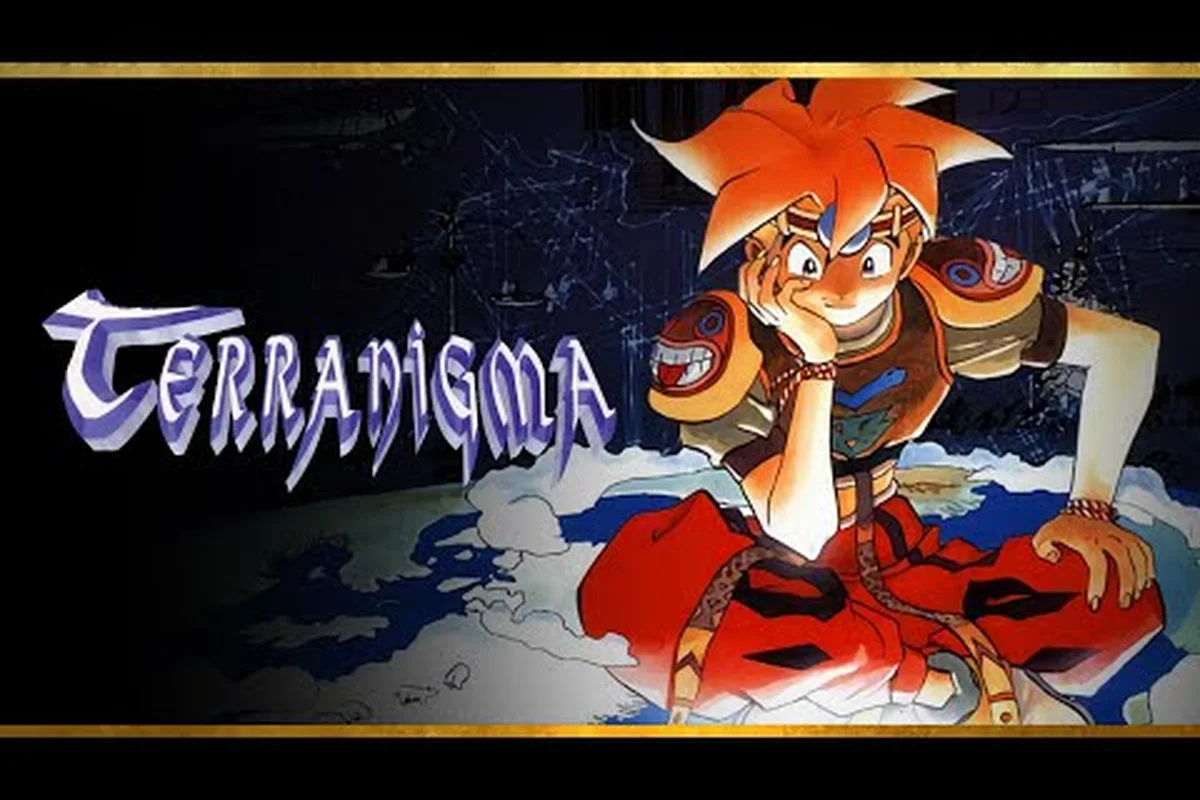
Terranigma Characters List: All NPCs and Villagers
Master the Terranigma characters list covering every NPC and villager, from Crysta's residents to Beruga, with roles and story significance explained.
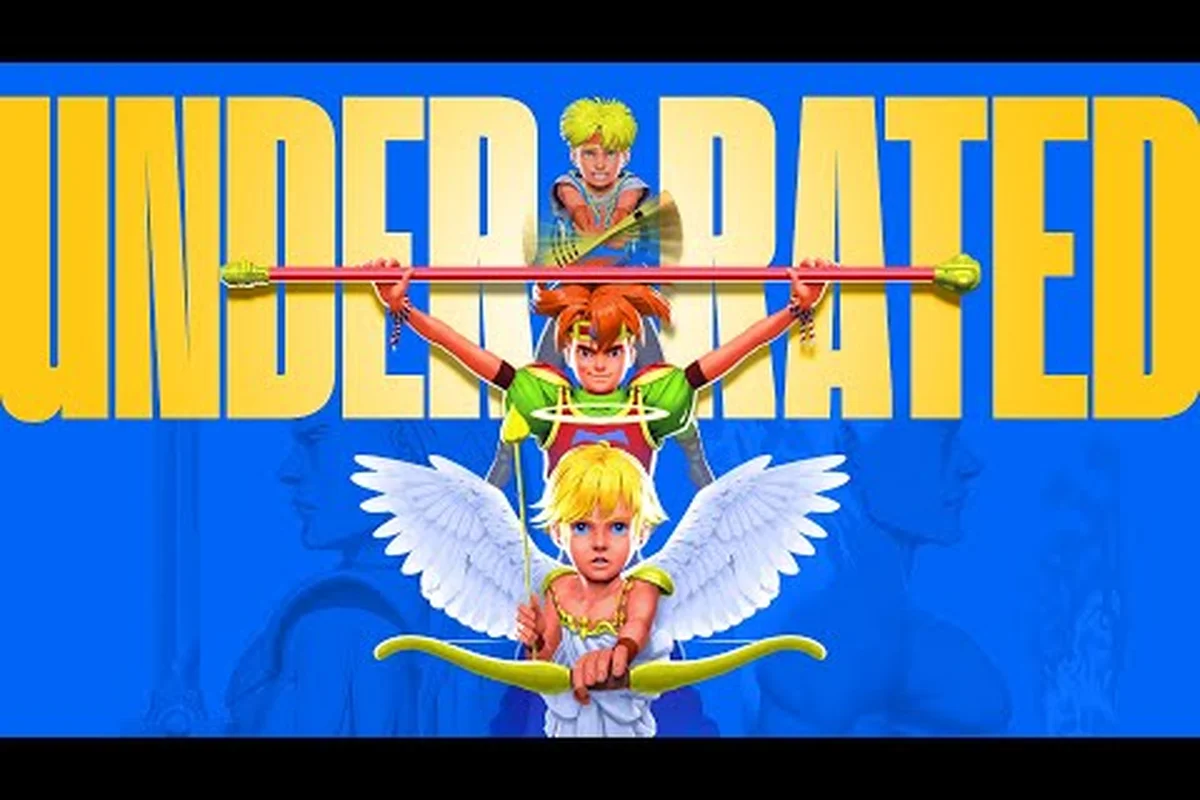
Terranigma Quintet Creation Trilogy: Story and Connections
Discover the Terranigma quintet creation trilogy guide, covering Soul Blazer and ActRaiser links, the emotional ending, and why it's the best SNES RPG story.
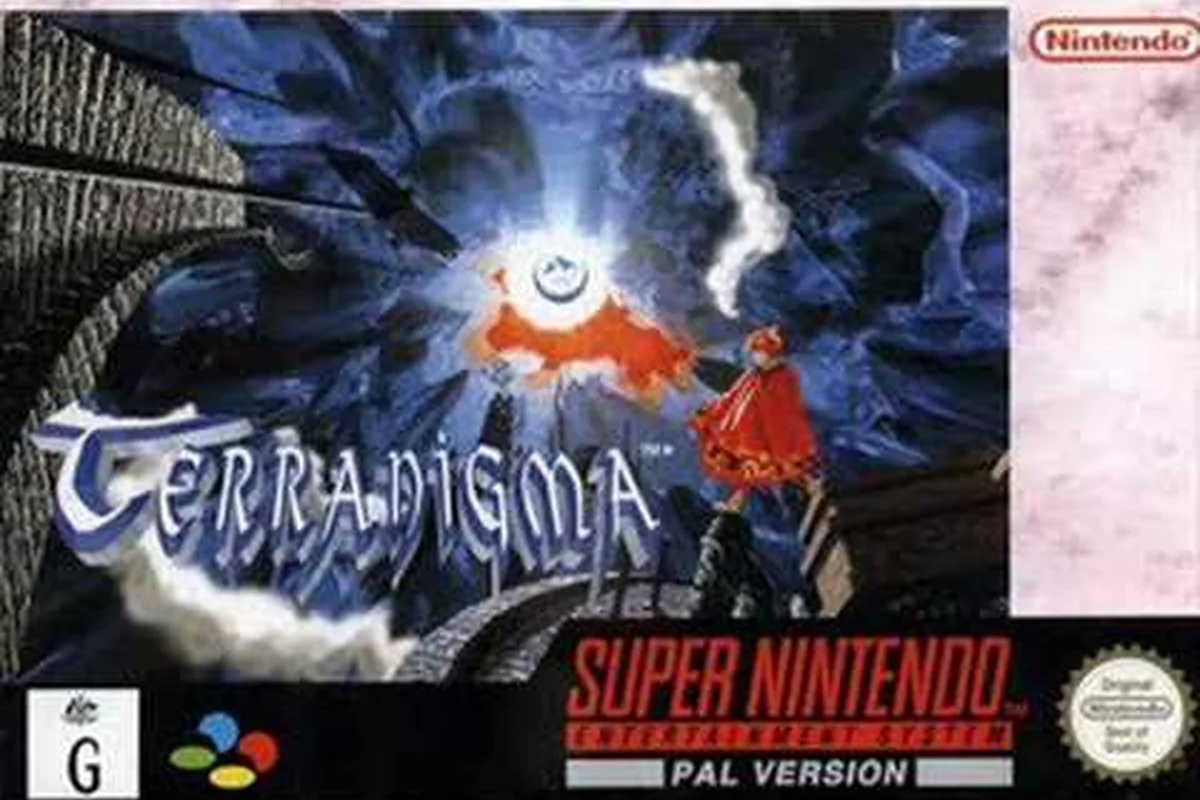
Terranigma Yomi Guide: Dark Gaia and Underworld Lore
Explore the Terranigma Yomi guide to understand Yomi's role, Dark Gaia's origin, and the underworld's connection to Light Gaia in the game lore.
All Articles
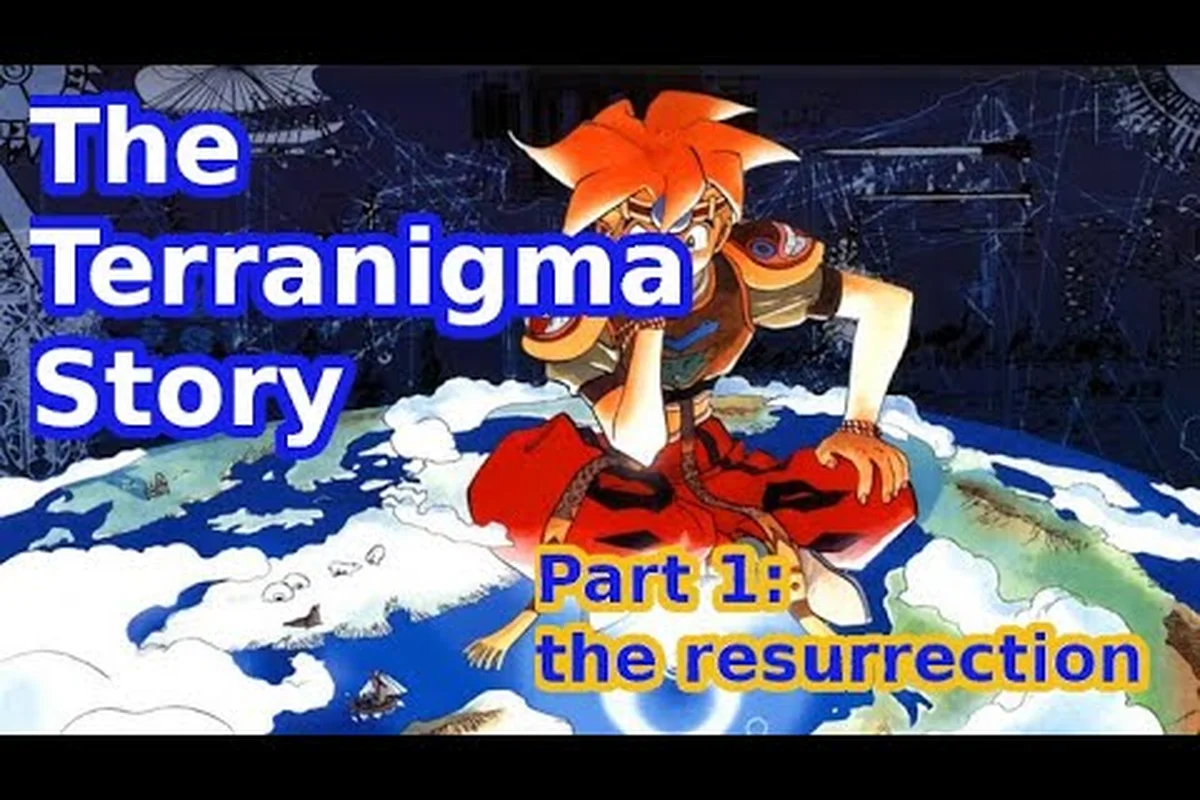
Terranigma Ark Story Role: Elle, Beruga, and Crysta
Discover the Terranigma Ark story role, his bond with Elle, and the Elder's warnings that set the resurrection quest in motion across the five acts.
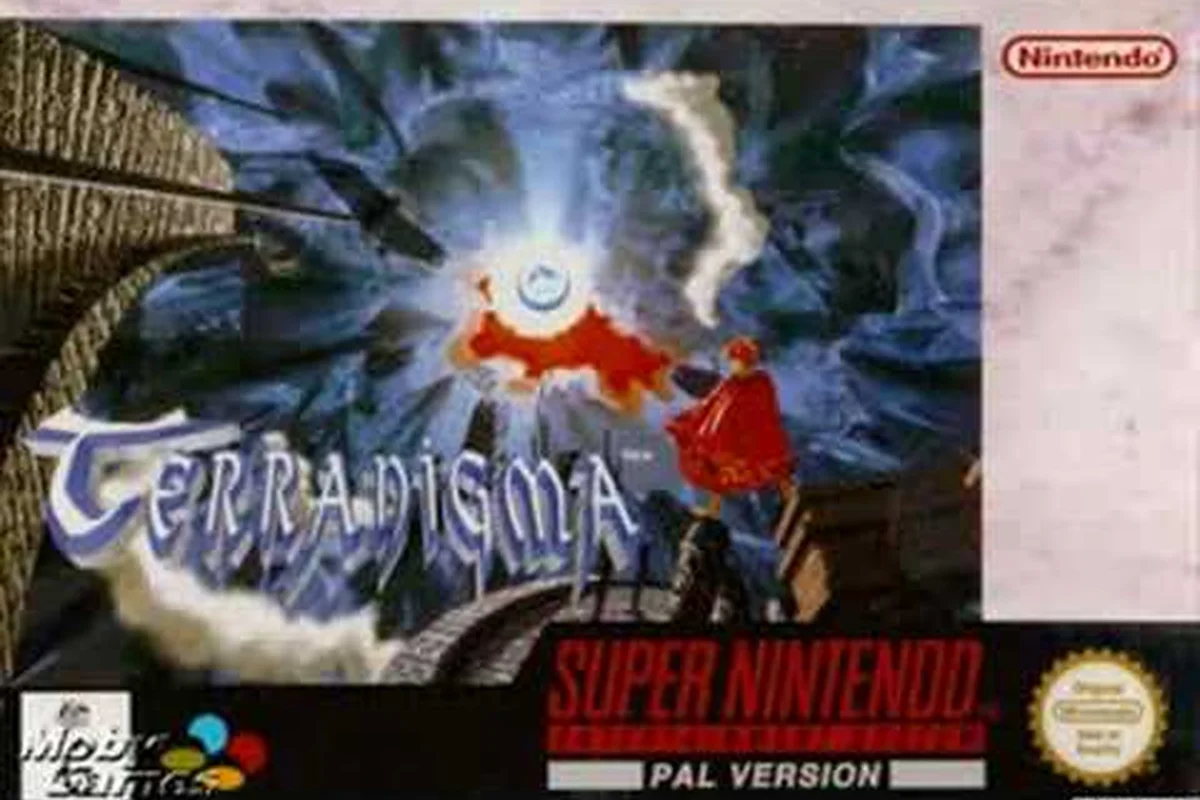
Terranigma Princess Elle Guide: Loire and the Two Elles
Learn the Terranigma princess elle guide: her mute curse in Loire Castle, Ark's sleeping potion cure, and how Darkside Elle shapes the growth and decline theme.
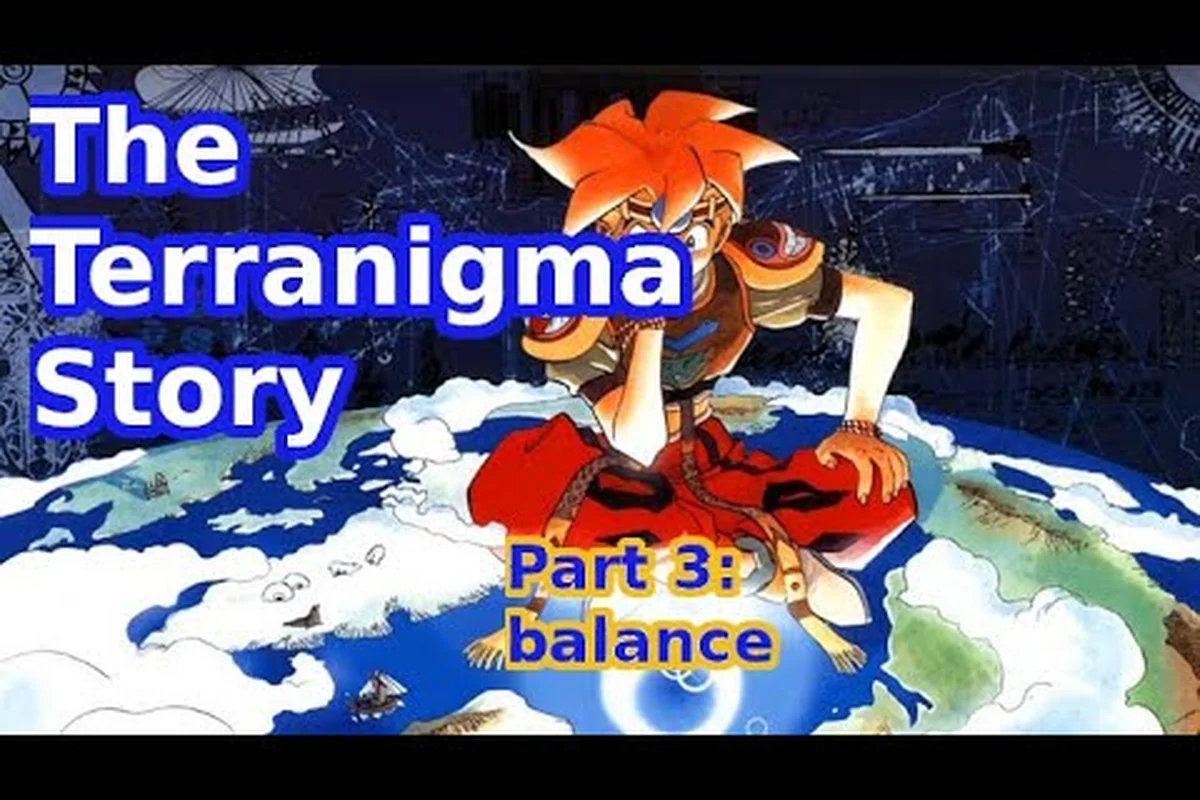
Terranigma Story Explained: Plot, Ending, and True Meaning
Understand the Terranigma story explained guide covering the 1995 Quintet plot, the hollow Earth twist, and the true ending's deeper meaning.
Terranigma Surface World Lore: Crysta Twist Explained
Master the Terranigma surface world lore, uncover the hollow Earth theory, and learn why Ark resurrects continents in this deep-dive guide to the classic.